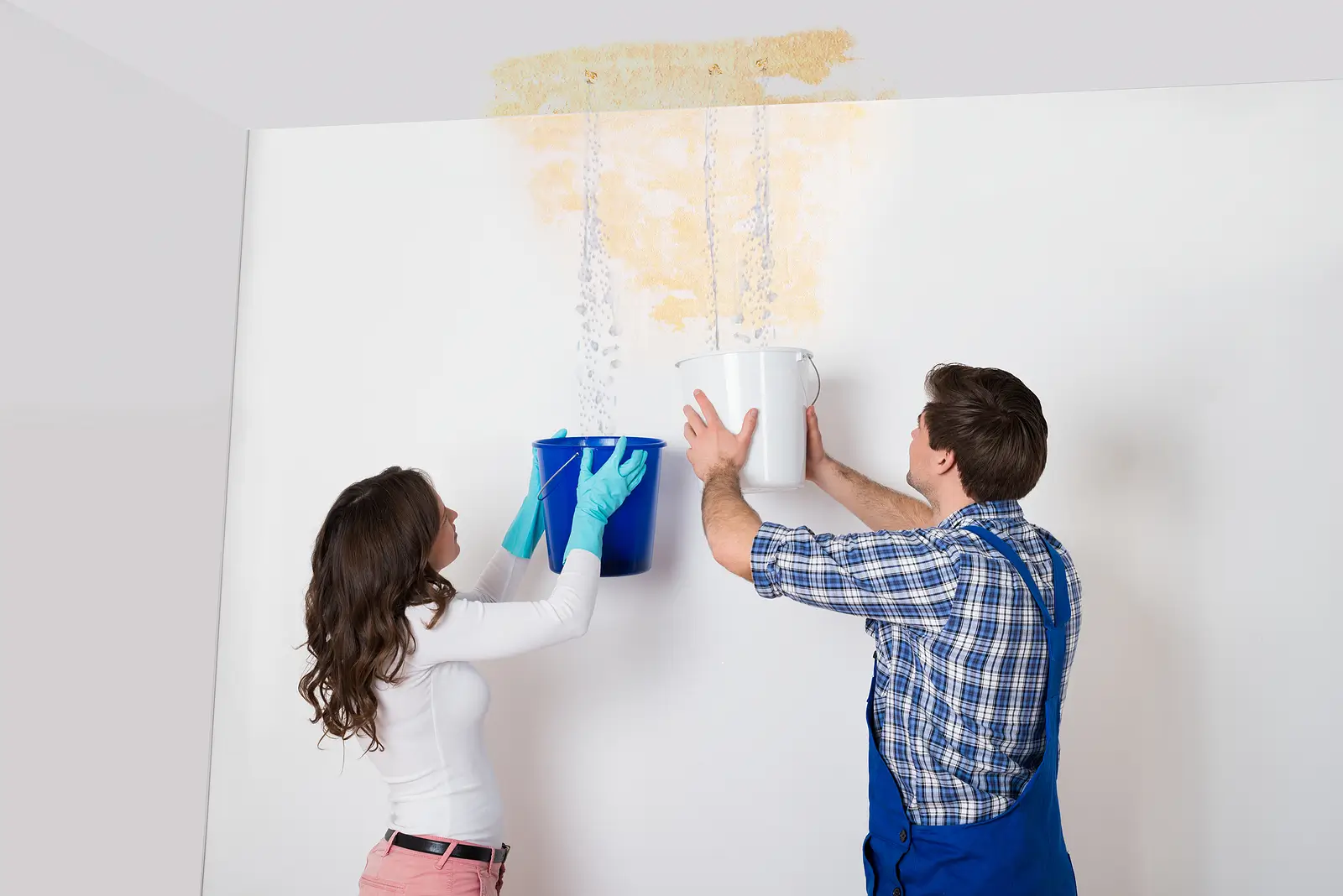
Water damage is one of the most common issues in homes, given how a wide range of factors can cause it. A small leak in the sink seems harmless at first, but it can eventually result in mold growth or structural decay.
Other than the financial impact of letting these problems worsen, it can also disrupt tenants and increase vacancy periods. You can even leave yourself vulnerable to legal disputes if you fail to meet habitability standards by keeping the rental property in good condition.
Key Highlights:
- Water damage often starts small but becomes expensive if ignored. Minor leaks from plumbing, roofs, or appliances can quickly lead to mold growth, structural damage, higher repair costs, tenant dissatisfaction, and even legal issues if habitability standards are not maintained.
- Routine inspections help identify the most common sources of water damage. Regularly checking plumbing systems, roofing, appliances, foundations, and drainage areas allows landlords to detect problems early and address them before they escalate.
- Poor drainage and foundation issues increase the risk of moisture intrusion. Improper grading, clogged drainage systems, and foundation cracks can direct water toward the property, leading to seepage, erosion, and costly structural repairs over time.
- Tenant cooperation plays an important role in preventing water damage. Clear maintenance expectations and prompt reporting of leaks, overflowing fixtures, or appliance problems can help landlords resolve issues before they cause significant damage.
- Recognizing early warning signs can save thousands in repair costs. Water stains, peeling paint, warped floors, musty odors, mold growth, sagging ceilings, and unusually high water bills are all indicators that require immediate investigation and repair.
Common Causes of Water Damage in Rental Properties
Understanding what can cause water damage allows you to be a more proactive property owner instead of being reactive and taking on more work and expenses. Here are the most common culprits:
Plumbing Leaks
An average home has 80 to 250 linear feet of plumbing pipes, with every inch of it being vulnerable to leaks. Pipes naturally wear out over time. Fittings can come loose, and exposed pipes can be damaged by external causes.
Common plumbing problems include burst pipes, corroded water lines, leaking supply hoses, or damaged shut-off valves. Since many of these leaks can occur within walls or under floors, they can be harder to detect.
You can look for signs like increased water bills, damp walls, warped flooring, or musty odors. You can prevent this by scheduling routine inspections for your plumbing system and addressing issues as soon as you find them.
Roof Leaks
The roof is your property’s primary defense against rain and severe weather. A small crack or a missing shingle can be all it takes for water to seep through.
Roof leaks can appear as ceiling stains, peeling paint, wet insulation, and dripping water during storms. Since water entering through the roof rarely stays below the damaged area, it could travel down along rafters and beams before visible damage appears.
Annual roof inspections are recommended, especially after major storms, to prevent significant interior damage. It’s also important to clean debris off your gutters to prevent overflow, which can affect your outer walls.
Faulty Appliances
Appliances can also be the cause of water damage, such as washing machines and dishwashers. Watch out for appliances that regularly use water, since they can also experience leaks that can be absorbed through the floor.
Check for supply hoses, valves, and internal components that may have cracked or worn out. A faulty washing machine hose, for instance, can release hundreds of gallons of water in just a few hours and can cause significant damage to your floor and foundation.
Foundation Cracks
Small foundation cracks are typically normal, even for new houses. The land adjusts to the weight of the building, and small hairline cracks appear. However, that leaves your property vulnerable to water seepage.
Heavy rainfall, poor grading, or inadequate drainage systems can increase hydrostatic pressure around the foundation. Water will be forced inside the openings, eroding your foundation. That itself will cause more issues, like uneven floors and cracked walls.
Poor Drainage around the Property
Other than sealing your rental property’s windows and doors, proper landscaping also keeps water from going towards your building. Negative grading, blocked drainage channels, short downspouts, and low spots near the foundation can exacerbate drainage problems.
Your landscape should ideally slope away from your rental property to prevent water accumulation around the foundation. If that’s the case for your property, it’s best to hire landscaping services to correct the issue.
Tenant Negligence
Water damage can also be caused by tenants when they fail to maintain the rental property. Overflowing bathtubs, clogged toilets, leaving faucets running, failing to report leaks, and improper use of appliances can all lead to water damage.
Provide tenants with clear maintenance responsibilities and encourage immediate reporting of leaks to reduce preventable damage. Enforce your lease when needed to set a positive precedent for all your tenants and to make sure that they take care if your property.
What Are the Early Signs of Water Damage?
Knowing what to watch out for can make all the difference between solving a problem early or dealing with higher repair costs. Here are the signs you need to watch out for.
- Water Stains
- Peeling Paint or Wallpaper
- Warped Hardwood Flooring
- Soft Drywall
- Musty Odors
- Mold Growth
- Bubbling Paint
- Sagging Ceilings
- Increased Indoor Humidity
- Higher Water Bills
Rental Property Water Damage FAQs
1. What are the most common causes of water damage in rental properties?
- The most common causes include plumbing leaks, roof leaks, faulty appliances, foundation cracks, poor drainage around the property, and tenant negligence. Regular inspections and preventive maintenance can significantly reduce these risks.
2. How can landlords prevent water damage?
- Landlords can prevent water damage by scheduling routine plumbing and roof inspections, maintaining gutters and drainage systems, repairing foundation cracks promptly, inspecting water-using appliances, and responding quickly to maintenance requests.
3. What are the early signs of water damage?
- Early warning signs include water stains on ceilings or walls, peeling paint or wallpaper, warped flooring, soft drywall, musty odors, mold growth, bubbling paint, sagging ceilings, increased indoor humidity, and unusually high water bills.
How Professional Property Managers Can Protect Your Investment
Water damage is a preventable problem in most cases, and the only way for it to get worse is through neglect or oversight. Companies like Hearthside Rentals help landlords avoid those circumstances through vigilant and effective property management.
We conduct inspections regularly to find issues early, and our routine maintenance ensures that potential breakdowns are reduced. We know how important it is to keep your rental property well-maintained, and it is one of our core goals to keep it that way.
Feel free to reach out to us and ask about our maintenance practices.