Investing in a rental property is a great way to build long-term wealth and generate passive income, but before you bet your money on this business venture, you have to consider all your options when it comes to property types.
Not all investment properties are created equal. A single-family home and a multifamily property, for example, come with varying property management responsibilities and income potential. A breakdown of the most common property types will help you weigh the factors and make an informed decision.
Key Highlights:
- Single-family homes are the easiest entry point for new investors. They're simpler to finance and manage, but income stops completely during vacancies.
- Multifamily properties offer stronger cash flow and vacancy protection through multiple income streams, but require higher upfront costs and more complex management.
- Short-term rentals can generate the highest income potential, especially near tourist destinations, but come with unpredictable earnings and hands-on demands.
- Commercial properties offer long-term lease stability and higher returns, but require significant capital and more complex financing.
- The right choice ultimately depends on personal factors like budget, available time, local market conditions, risk tolerance, and long-term investment goals, not just the property type itself.
1. Single-Family Homes
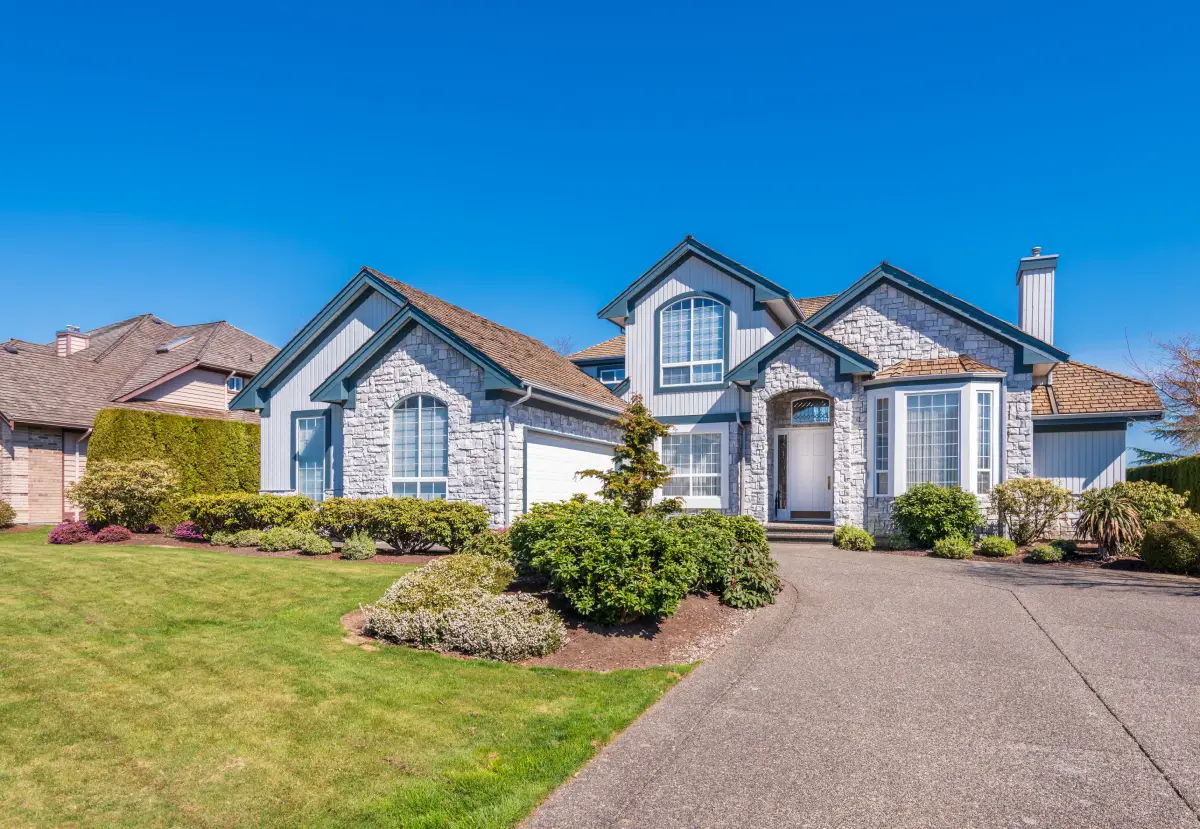
A single-family home is often the entry point for new real estate investors, mostly because they continue to be in demand and are easier to finance than other property types. Since you’ll only have one tenant, your landlord duties will not be as demanding. However, what makes it easier to manage also puts you at a disadvantage, since you can go weeks or months without rental income.
Pros:
- Easier to finance
- Attracts long-term tenants
- Simpler to sell since the buyer pool includes both investors and owner-occupants
Cons:
- Vacancy means you will have no rental income at all
- Appreciation and cash flow largely depend on a single local market
- Scalability is limited due to its singular income source
2. Multifamily Properties (Duplexes, Triplexes, Apartment Buildings)
Multifamily properties range from small duplexes to large apartment complexes with dozens of units. These properties let investors generate income from multiple tenants under one roof, but they also mean your management duties grow exponentially. Fortunately, subcategories within multifamily properties still offer options to minimize property management responsibilities.
Pros:
- Multiple income streams reduce the impact of a single vacancy
- A cheaper option if you don’t want to scale your portfolio right away
- Often better cash flow potential compared to single-family homes
Cons:
- Higher upfront costs and larger down payment requirements
- More complex management, especially with more units and tenants
- Local regulations and zoning laws may be more restrictive
3. Vacation and Short-Term Rentals
Short-term rentals can be very lucrative in areas near attractions and tourist destinations. They are popular on platforms like Airbnb and Vrbo and are usually priced much higher per night than long-term stays. This is a good option for investors located near desirable travel destinations who don’t mind a more active, hospitality-style business.
Pros:
- There is potential for significantly higher rental income than long-term rentals
- Flexibility in occupancy lets you use the property yourself
- You can adjust pricing dynamically based on demand, season, and local events
Cons:
- Income can be the most unpredictable across all property types
- Higher turnover means dealing with more wear and tear
- It requires more hands-on management with constant need for cleaning and guest communication
4. Commercial Rental Properties
Commercial properties include office buildings, retail spaces, warehouses, mixed-use developments, and other purposes that serve a business. This category attracts more experienced investors because operating a commercial property is more complex. With higher capital requirements and more complex restrictions, it carries greater risk.
Pros:
- Leases are often long-term, typically lasting between 3 and 10 years, providing stable rental income
- Tenants are usually responsible for property maintenance, taxes, and insurance under triple-net leases
- Potential returns are higher compared to residential leases
Cons:
- Requires much higher capital to enter the market
- Vacancies can last longer, sometimes reaching many months
- Financing is more complex, often requiring commercial lenders and specialized legal reviews
Personal Factors You Should Consider
Apart from the risks and benefits that each property type uniquely has, you should also determine the stakes personal to you, such as:
Budget and Financing Options
Your available capital will either broaden or limit your options. It heavily influences your investment decisions since it tells you which properties you can realistically invest in. Single-family homes and some multifamily properties are more accessible compared to commercial properties or multifamily properties like apartment complexes.
Time and Management Style
Some properties will demand more time and effort than others. Vacation rentals, for instance, require you to be more hands-on than commercial properties, where your responsibilities are minimal. Property management fees also vary by property type, which is an important detail not to overlook.
Local Market Conditions
Arguably one of the most important factors is the local market conditions, as they determine how well your investment property fares. Which property type has the strongest rental demand? Is the area tourist-driven? Do certain neighborhoods have higher demand for multifamily properties? Conducting market research can save you from a bad investment decision.
Risk Tolerance
Just like most industries, higher income potential in rental real estate usually demands bigger risks. Single-family homes can be stable and predictable, but offer slower growth. Short-term rentals are very lucrative but just as volatile. Commercial properties can offer stability through long leases but come with steep vacancy risk if a tenant leaves.
Long-Term Goals
Are you investing for steady monthly cash flow, long-term appreciation, tax benefits, or a combination of all three? These factors will shape which property aligns with your investment goals and strategy. For instance, single-family homes appreciate more in growing neighborhoods, while multifamily properties tend to offer more stable cash flow.
FAQs
What's the best rental property type for a first-time investor?
Single-family homes are generally the most beginner-friendly option, thanks to easier financing, simpler management, and a broader resale market.
Which property type generates the most passive income?
Multifamily and commercial properties tend to offer more passive income once established, especially commercial leases where tenants often cover maintenance, taxes, and insurance.
Are short-term rentals more profitable than long-term rentals?
They can be, particularly in high-demand tourist areas, but income is less predictable and requires more active management, including cleaning and guest communication.
How much capital do I need to invest in a rental property?
It varies widely by property type. Single-family homes typically require the least capital, while multifamily and commercial properties demand larger down payments and stronger financing.
Reduce Your Risks Through Professional Management
Investing in a rental property is no small feat. While there’s substantial income potential in it, it will only pay off if you play your cards right. Even seasoned landlords rely on professionals to keep their business profitable.
For your property management needs, Hearthside Rentals can be the partner you need. We can handle your day-to-day tasks and provide insights based on your rental property’s performance. We offer resources and connections that will be vital to your success.
Contact us, and let’s discuss the benefits of delegating your landlord duties to experienced property managers.
More Resources:
Rental Marketing Strategies for New Greenville Landlords
Property Upgrades That Boost Curb Appeal for Your Greenville Rental